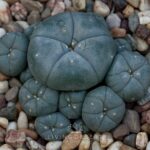
Mammillaria plumosa
Mammillaria plumosa, commonly known as the Feather Cactus, forms low, dense mounds of completely soft, white rosettes. This species stands out because it lacks sharp, rigid spines. Instead, it features highly modified, plumose radial spines that mimic delicate bird feathers and wrap entirely around the spherical stems. This dense, downy covering insulates the plant against extreme temperatures while reflecting harsh sunlight away from the green epidermis beneath.
Origin and Natural Habitat
This species occurs natively in the northeastern states of Mexico, including Coahuila, Nuevo León, and Tamaulipas. The plants inhabit steep, semi-arid limestone cliffs and rocky shale cracks at elevations between 700 and 1500 meters. They grow in highly mineralized environments that receive low, unpredictable seasonal rainfall. The thick, white spine layer traps a micro-layer of humid air against the stem body, which allows the plant to survive the dry, baking winds of the desert canyons.
Plant Characteristics
The individual spherical stems of Mammillaria plumosa reach diameters of 4 cm to 7 cm, branching heavily from the base to form large cushions up to 40 cm wide. Each woolly areole bears roughly 40 downy, intersecting radial spines. It produces small, tubular flowers from the axils of the tubercles during late winter and early spring. These blooms are typically off-white, cream, or pale yellow with faint greenish-brown mid-ribs. The plant produces a watery, translucent sap rather than a milky latex.
Care Guide
Light This cactus requires very bright, filtered sunlight to maintain its tight, compact mound structure and brilliant white spine color. Direct morning sun yields excellent results, but provide light shade during extreme mid-summer afternoons to prevent yellowing. Low light levels cause the heads to stretch apart, which exposes the green flesh and ruins the uniform, feathery appearance.
Soil
Use a highly porous mineral substrate to ensure the fine root system remains dry and aerated. The LDP EcoGrit Mix matches the natural limestone conditions of this species perfectly. The gritty mixture allows water to drain away completely within minutes. Avoid standard peat based soils or dense organic compositions.
Water
Water the plant thoroughly from spring through early autumn only when the substrate dries out completely. Use the strict soak and dry method. Pour water directly onto the surrounding soil rather than over the white crowns. The dense feathers trap water easily, which encourages surface rot. Withhold water entirely throughout the winter months.
Pot size
Select a shallow, wide terracotta container that accommodates the broad horizontal spread of the clustering mounds. Terracotta is highly beneficial because it allows moisture to evaporate evenly through the sides of the pot. Avoid oversized pots, as large volumes of empty substrate hold stagnant water and trigger root decay.
Temperature
This mountain cactus thrives in warm daytime conditions between 20°C and 30°C. It requires a cool, dry winter rest phase with temperatures around 10°C to trigger spring bud development. It tolerates brief temperature drops near freezing if the soil remains perfectly dry. Protect the plant from frost.
Humidity
Maintain very low humidity in the growing environment. Stagnant, damp air represents the biggest danger to this species, as it rots the woolly coats. Ensure constant air movement around the plant using ventilation fans if growing indoors or inside a crowded greenhouse.
Fertilizing
Apply a balanced, low-nitrogen liquid fertilizer diluted to quarter strength once in late spring and once in mid-summer. Do not feed the plant during autumn or winter dormancy. Excessive nutrients bloat the stems, which can split the delicate epidermis hidden beneath the spines.
Growing Season
Mammillaria plumosa actively grows from late spring through early autumn, with a noticeable flowering spike during the cool winter or early spring months. The plant enters a rest phase in mid-winter to conserve energy. It requires absolute dryness during this cold rest period to preserve the health of its root base.
Propagation
You can propagate this species successfully by separating offsets or sowing seeds in spring.
Stem cuttings: Gently detach a mature head from the edge of the main clump during early spring using a sharp, sterile blade. Allow the cutting to callus in a dry, well-ventilated room for five to seven days until the wound hardens. Plant the callused offset into a pot of dry grit and withhold moisture until the first root shoots appear.