Origin and Natural Habitat
Ledebouria atropurpurea is native to Mpumalanga and Kwazulu-Natal in South Africa.
Plant Characteristics
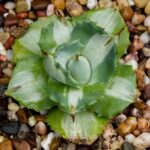
Ledebouria atropurpurea is a small bulb species with spotted, dark green leaves. It produces purple flowers in spring. It is more commonly known as the purple African hyacinth. This species generally remains solitary and is hesitant to produce new bulbs by offsetting.
Care Guide
Light
Ledebouria prefers a shaded location in the greenhouse. Avoid keeping this species in direct sun. If kept outside, 60% shade cloth is preferred..
Soil
Ledebouria as a genus prefers a well-draining soil mixture that still retains some moisture. We recommend our EcoGrit Mix.
Water
In cultivation, Ledebouria atropurpurea can be watered well during the warmer months. However, keep this plant dry in winter when it is dormant and has no leaves.
Pot size
Ledebouria atropurpurea remains relatively small and does not require a large or deep pot. The plants for sale fit comfortably in a 10cm pot.
Temperature
This species’ ideal temperature ranges between 20 – 30°C. It can tolerate 5 – 40°C and does not tolerate frost.
Humidity
Ledebouria can handle some humidity, but make sure that your growing space has plenty of airflow, particularly in winter.
Fertilizing
Use a half-strength diluted general liquid fertilizer only during the growing season. Do not fertilize during winter. Alternatively, a small amount of slow-release fertilizer will be sufficient.
Growing season
Ledebouria is in active growth during spring and summer.
Propagation
Ledebouria is best propagated from seeds.
Seed germination: Seeds should be sown in early spring. Plant them in a mix of coco peat and perlite, with some vermiculite, in an airtight container. Do not cover the seeds with extra soil or stones. Once most of the seeds have germinated, remove the lid of the container to allow airflow. Gently mist the seedlings every few days so that the soil does not dry out.