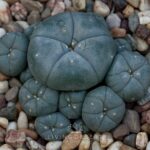
Lobivia hybrid
This Lobivia hybrid produces spectacular, oversized flowers in selectively bred hues. These specialized cultivars open multi-petaled blossoms in rare shades of deep orange, pink, bi-color gradients, or intense yellow instead of the standard wild red. The globose stem offsets freely from the base over time, forming a dense, prickly cushion that stores large water reserves to survive severe seasonal droughts.
Please note flower photos are used as examples only to demonstrate what the flower will look like. Plants for sale are not in flower.
Origin and Natural Habitat
The parent genetics of this genus occur natively along the high-altitude Andean slopes of South America, primarily spanning Bolivia, Peru, and northern Argentina. These cacti populate rocky mountain screes, grassy high plains, and steep gravel cliffs at elevations between 2000 and 4000 meters above sea level. They endure an alpine desert environment marked by extreme diurnal temperature swings, intense ultraviolet radiation, and rocky, low-nutrient soils.
Horticultural breeders in Europe and Asia cross-pollinated specific wild varieties over many generations, isolating unique color mutations to create these stable, free-flowering hybrid strains.
Plant Characteristics
The cylindrical or ball-shaped stems of Lobivia reach individual heights of 10cm to 15cm before pushing out numerous basal pups. Sharp radial and central spines emerge from distinct areoles along the prominent vertical ribs, providing effective protection against solar radiation and foraging desert pests. It produces trumpet-shaped blossoms during spring and early summer, with individual flowers often rivaling the size of the main stem body. The plant develops a thick, fibrous root network that grips loose gravel securely and absorbs sudden rainfall instantly.
Care Guide
Light
This high-altitude cactus requires maximum direct sunlight to maintain its tight stem shape and promote abundant flower bud development. Provide six to eight hours of direct afternoon sun daily in an open greenhouse or sunny outdoor position. Low light levels cause the stems to stretch thin and turn pale green, which stops the blooming cycle entirely.
Soil
The roots require an exceptionally open mineral potting medium to eliminate any risk of water stagnation and rot. The LDP Super Drainage Mix provides the perfect gravelly base for these mountain hybrids by combining coarse pumice with fine quartz grit. Avoid standard commercial potting soils that retain moisture for extended periods.
Water
Water the plant thoroughly from spring through early autumn only when the mineral substrate dries out completely down to the bottom of the pot. Follow the standard soak and dry method faithfully during the active summer growth period. Taper watering frequency significantly in mid-autumn as temperatures drop, and keep the soil bone-dry throughout the winter months.
Pot size
Select a sturdy, shallow terracotta container that accommodates the current width of the clustering stem base. Terracotta allows moisture to evaporate evenly through the porous clay walls, preventing excess water from pooling at the bottom of the container. Leave roughly 2 cm of open space around the spiny margins.
Temperature
This hardy variety handles intense summer heat well and requires cold winter temperatures down to 5°C to trigger uniform spring flowering. It tolerates light night frost if the soil remains dry but struggles in damp winter conditions. Keep the container sheltered from cold winter rains under greenhouse plastic or a bright porch.
Humidity
Maintain low air humidity levels to mirror the dry conditions of the high Andes mountains. High humidity combined with poor ventilation encourages fungal pathogens to attack the stem bases and stain the spines. Ensure continuous, active air movement around the collection by opening greenhouse vents or windows.
Fertilizing
Apply a low-nitrogen cactus fertilizer diluted to one-quarter strength once in early spring and once in mid-summer. Avoid any fertilization during autumn or winter dormancy. Too much nitrogen causes the globose stems to bloat rapidly, which weakens the skin and prevents flower development.
Growing Season
Lobivia grows actively from early spring to late summer, using the warmth and intense light to produce new spine areoles and successive flushes of neon blossoms. It enters a profound dormancy phase during winter, shrinking slightly as it sheds water to resist freezing temperatures. The plant requires absolute dryness and high air ventilation during this cold rest period.
Propagation
You can propagate this hybrid successfully by separating basal offsets or by cross-pollinating flowers to collect fresh seeds.
Basal Offsets: Gently detach a mature offset from the base of the main cluster during the active spring growing period using a sterile blade. Allow the detached pup to rest in a dry, shaded room for seven to ten days until a firm, woody callus forms over the cut area. Insert the callused base upright into a pot of dry quartz sand or fine pumice, keeping it in a warm, bright position. Avoid watering until the cutting resists a gentle tug, which indicates new root development.
Seed Sowing: Sow fresh hybrid seeds in early spring using a highly porous mineral seed-starting substrate. Scatter the seeds evenly across the damp surface and cover them with an extremely thin 2 mm layer of fine quartz gravel. Keep the container warm, under bright light, and enclose it in a plastic bag to maintain high surface humidity until germination occurs within two weeks. Remove the cover immediately after emergence to open ventilation and prevent damping-off.