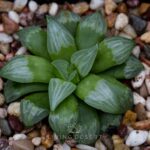
Tridentia gemmiflora
Tridentia gemmiflora develops large, star-shaped flowers covered in dense, dark hairs and intricate maroon patterns. The succulent, four-angled stems cluster into tight mats that adapt to harsh, rocky terrain. This species requires precise watering and excellent drainage to maintain its distinct, grey-green stems and prevent rot.
Origin and Natural Habitat
This plant occurs in the arid plains of the Western Cape. It grows sheltered by larger shrubs or rock outcrops in its natural habitat. These conditions provide protection from intense midday heat and ensure rapid drainage during infrequent, seasonal rains.
Plant Characteristics
The stems grow to 10 cm tall with four distinct ribs covered in small, soft teeth. The epidermis maintains a grey-green tone. Large, complex flowers emerge from the base of the stems, often emitting a faint scent to attract pollinators. The plant creates spreading colonies as it matures.
Care Guide
Light
Provide bright, filtered light. Direct afternoon sun burns the succulent stems and causes permanent tissue damage. Morning sun helps maintain the compact growth habit.
Soil
The roots require immediate drainage to prevent rot. Use LDP Super Drainage Mix to ensure quick water runoff and healthy root oxygenation.
Water
Water the soil directly during the active spring and summer growth months. Allow the medium to dry out completely before you apply more water. Reduce watering frequency significantly during the cold winter dormancy. Never pour water over the stems as it promotes decay.
Pot Size
Use a wide, shallow bowl or tray to accommodate the spreading stem habit. Ensure the pot provides large drainage holes. Avoid deep pots that trap moisture at the bottom.
Temperature
Keep temperatures between 15°C and 30°C. Protect the plant from frost and freezing conditions.
Humidity
Ensure constant, active air circulation. Stagnant air trapped around the stems encourages fungal infections and pests.
Fertilizing
Apply a liquid succulent fertilizer diluted to quarter strength once or twice during the spring and summer. Avoid feeding during the winter months.
Growing Season
Tridentia gemmiflora grows actively during the warm spring, summer, and early autumn months. It slows its metabolism significantly during the winter cold. Adjust your watering schedule to match these seasonal cycles.
Propagation
You can propagate this plant through stem cuttings and seed germination.
Stem Cuttings: Cut a healthy stem section using a clean, sterile blade during the spring or summer growth phase. Allow the cut surface to dry in a shaded, well-ventilated area for five days until a callus forms. Press the callused base into dry LDP Super Drainage Mix. Keep the cutting in bright, indirect light and wait one week before applying a light mist of water to encourage root growth.
Seed germination: Seeds should be sown in early autumn. Plant them in a coco peat based mix in an airtight container. Once most of the seeds have germinated, remove the lid of the container to allow airflow. Gently mist the seedlings every few days so that the soil does not dry out.