Origin and Natural Habitat
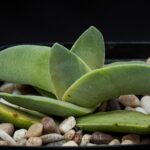
Aloinopsis schooneesii is a highly localized succulent native to the Eastern Cape of South Africa. It is specifically found in the Willowmore and Steytlerville areas, where it grows in shaly soil and rocky crevices. In the wild, these plants are often found growing close to the ground to survive extreme temperatures.
Plant Characteristics
This species is a compact, clump-forming plant that is typically grown for its thick, tuberous taproot. This root can be slightly raised in cultivation to create a bonsai-like caudex appearance. The leaves are small, rounded, and pebble-like with a dull bluish-green texture. During winter and early spring, it produces daisy-like flowers that are typically yellow with reddish or bronze stripes running down the petals.
Care Guide
Light
Aloinopsis schooneesii requires bright light to maintain its tight, compact growth habit. It thrives in full morning sun or lightly filtered sunlight. We recommend 40% shade cloth. If the plant does not receive enough light, the rosettes will stretch and the plant will become susceptible to rot.
Soil
A porous, mineral-heavy soil is essential for this species. We recommend a mix consisting of at least 70% grit, such as Ibaraki Akadama and Hyuga pumice. This ensures that the large taproot does not sit in moisture for extended periods.
Water
This plant is a winter grower that is sensitive to overwatering. Water thoroughly during autumn and spring, allowing the soil to dry out completely between sessions. During the peak of summer, the plant should be kept mostly dry as it enters a dormancy phase to survive the heat. In winter, provide occasional light watering if the leaves show signs of shriveling.
Pot size
Because of its large, fleshy taproot, Aloinopsis schooneesii requires a pot with sufficient depth. A deep terracotta pot is ideal as it allows the root system to develop while providing the breathability necessary to prevent fungal issues.
Temperature
This is a very hardy species that can tolerate temperatures from 0°C to 35°C. It is frost-tolerant if the soil is kept completely dry, making it a suitable choice for rockeries in colder regions.
Humidity
This species prefers dry, low-humidity environments with plenty of fresh air circulation. High humidity can lead to rapid rot, particularly if the plant is overwatered or kept in stagnant air.
Fertilizing
Apply a low-nitrogen, liquid fertilizer at quarter-strength once or twice during the autumn growing period. Excessive fertilizing will cause the plant to grow too quickly and lose its natural, compact shape.
Growing season
Aloinopsis schooneesii is primarily active in autumn and spring. It grows slowly during the winter months when it flowers and remains dormant during the hottest parts of summer.
Propagation
The most successful way to propagate Aloinopsis schooneesii is through seed.
Seed germination: Sow seeds during the cooler months of autumn for the best results. Use a sandy, well-draining seedling mix and cover the seeds with a very thin layer of fine grit. Maintain a moist environment with a spray bottle until germination occurs. Once the seedlings are established, gradually increase light levels and decrease the frequency of watering to encourage taproot development.